

A portrait is built through choices. Light, framing, posture, and the surrounding space influence what a viewer notices first. For trans women in Istanbul, a portrait can express a mood or a personal style without being expected to explain an entire identity. Collaboration between the person pictured and the person making the image helps those choices work together. A thoughtful portrait gives the person pictured a meaningful role in the process, from the initial idea to the final selection.
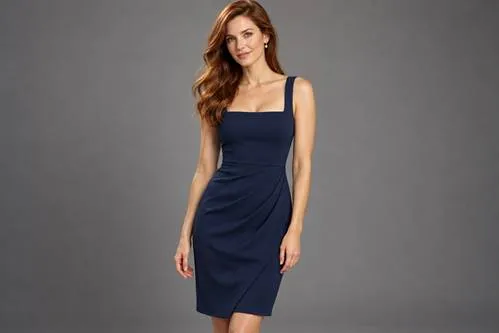
A navy square-neck cocktail dress against a gray studio backdrop.
Decide What the Portrait Should Express
Begin with an intention that can be discussed. The portrait might feel relaxed, formal, playful, or suited to an evening setting. Each choice suggests different ways to arrange the scene. A useful intention gives direction without fixing every detail in advance. Ask the person being photographed which mood feels appropriate and which aspects of their style they would like the image to emphasize. Their preferences should shape the process from the beginning.
Avoid asking one photograph to represent a whole community. A trans woman can choose a portrait because she likes a particular dress, an expression, or a moment in her life. That choice does not create a rule about how anyone else should appear. Describing the intention accurately helps a viewer understand the image as a particular presentation, while leaving room for the many aspects of the person that remain outside the frame.
Use Light to Give the Image a Clear Focus
Light affects the relationship between the face, clothing, and background. A bright window can create a different impression from a softly lit interior. Try the arrangement and observe where attention goes before deciding that it works. The subject should remain easy to see, and important details should not disappear into an unintended shadow. A small change in position can sometimes produce a clearer image than adding more decorative elements to the setting.
Consider how reflective materials appear in the chosen light. Satin, jewelry, and glass can catch attention in ways that are attractive or distracting. Look at the whole frame rather than evaluating each object separately. The purpose is to establish a coherent mood and keep the subject visually central. Where the background introduces too many competing highlights, a simpler angle or a different distance may allow the portrait to communicate more clearly.
Make Posture Comfortable and Believable
A pose works best when the person can hold it naturally. Offer clear suggestions about where to sit or look, while checking whether the position feels comfortable. Small changes in shoulders, hands, or the angle of a chair can affect the result. Avoid treating discomfort as a necessary part of making an elegant image. A believable posture often comes from giving the subject enough time to settle into the arrangement.
Hands deserve particular attention because a strained gesture can draw the eye away from the expression. Let a hand rest on a chair, hold an appropriate object, or remain relaxed beside the body. The gesture should have an understandable relationship to the scene. A portrait does not need a complex pose to feel engaging. Direct attention, a clear expression, and a comfortable arrangement can carry much of the visual interest.
Choose a Background That Supports the Subject
A hotel interior, a living room, or a simple dressing area can establish context without becoming the main story. Select the details that serve the intended mood and remove unnecessary clutter from the composition. The setting should feel plausible and coherent. Objects that do not belong to the scene can distract from the subject, while too many decorative features can make the portrait feel more like a record of the room than a photograph of a person.
A portrait used beside İstanbul Shemale content on Istanbul Queen has to work at the size readers will actually see. Preview the photograph as a full image and as a smaller crop. Check whether the expression remains clear and whether an important part of the outfit disappears at the edge. A beautiful room can be secondary when the photograph is reduced. Let the person remain the visual focus rather than relying on background details that may be lost.
Describe the Photograph Without Inventing a Biography
A caption can mention an evening look, a color, or the atmosphere of the setting. It does not need to add an occupation, a personal history, or an exact location that has not been established. Accurate description gives a viewer useful context without making claims about the subject. When writing accompanying text, distinguish observations about the photograph from information about the person. A visual impression cannot verify details that remain outside the image.
When a portrait accompanies an article in the Kartal Travesti section, a caption can describe the outfit and setting without implying that the person lives in Kartal. For example, a navy dress against a neutral studio background needs no invented local biography. Keep the caption specific and brief, then review it alongside the image. A description of the visible fabric, neckline, or lighting gives the reader useful context while remaining faithful to the photograph.
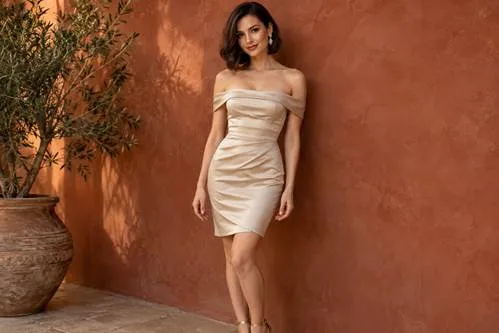
The champagne off-the-shoulder fitted cocktail dress beside a terracotta studio wall.
Choosing Between Two Portraits
Compare two photographs that differ slightly in expression or posture. In one, the lighting may be more even; in the other, the person may feel more comfortable with the expression. Ask what each image communicates at the size intended for publication. Check the hands, edges of clothing, and background as well as the face. The final choice should bring technical clarity and personal preference into the same discussion. A small difference can matter more than an elaborate setting when the portrait is intended to feel recognizable and easy to use.
Let the Subject Take Part in the Final Choice
Selecting the final portrait can reveal a difference between technical preference and personal preference. One photograph may have a pleasing composition while another feels more recognizable to the subject. Discuss those differences and leave room for the person pictured to respond. A collaborative selection can produce an image that is both visually clear and comfortable to use. Permission for publication remains a separate decision from agreeing to be photographed.
Thoughtful portrait representation of trans women in Istanbul begins with individual participation. Establish an intention, use light deliberately, and make posture and setting work together. Describe the image accurately and allow the subject a meaningful role in choosing how it will appear. The resulting portrait can be polished and engaging while remaining a limited, particular expression of a person who has more to their life than a single photograph can contain.